
Photo by Zulfugar Karimov on Pexels
Your home’s water heating system is one of the biggest energy consumers under your roof, accounting for roughly 18% of your total household energy use. Yet most homeowners rarely give it a second thought, until the hot water runs out mid-shower or an unexpectedly high energy bill arrives. Understanding how your water heater works and adopting smarter conservation habits can slash your bills, reduce your environmental footprint, and ensure you’ve always got hot water when you need it. This guide walks you through the essentials of domestic water heating, why conservation matters, and practical steps you can take starting today to make your home more efficient.
Understanding Domestic Water Heating Systems
Before you can optimise your water heating, you need to know what you’re working with. Domestic water heating systems vary widely in design, efficiency, and running costs, and the right choice depends on your household size, usage patterns, and budget.
Types of Water Heaters
The UK market offers several types of water heaters, each with distinct advantages and trade-offs:
Storage tank water heaters are the most common. They keep a reservoir of hot water ready at all times, typically ranging from 120 to 300 litres. These are reliable and can handle multiple simultaneous demands, but they suffer from standby heat loss, energy wasted keeping water hot even when you’re not using it.
Combi boilers heat water on demand and are increasingly popular in smaller homes. They eliminate the need for a separate hot water cylinder, saving space and reducing standby losses. But, flow rates can drop if multiple taps are running simultaneously.
System boilers work with a hot water cylinder but don’t require a cold water tank in the loft. They’re ideal for homes with higher hot water demand and multiple bathrooms.
Heat pump water heaters extract warmth from the air or ground to heat water, using significantly less electricity than conventional electric heaters. Though the upfront cost is higher, they can cut water heating energy use by up to 60%.
Solar thermal systems use roof-mounted panels to capture the sun’s energy. In the UK climate, they typically provide around 50–60% of annual hot water needs, with a backup heating source covering the rest.
How Water Heating Impacts Energy Bills
Water heating is the second-largest energy expense in most homes, trailing only space heating. A typical household uses between 120 and 150 litres of hot water daily, showers, baths, washing up, laundry, and all that heating adds up quickly.
The energy required depends on several factors: the temperature you set (most heaters default to 60°C to prevent Legionella), the efficiency of your system, and how much hot water you actually use versus how much you waste. Older storage tank heaters can lose 20–30% of their heat through the tank walls and pipes, meaning you’re paying to heat water that never reaches a tap.
Switching from an old, inefficient system to a modern, energy-efficient model can reduce water heating costs by 30–50%. But even without replacing your entire system, simple changes, better insulation, lower temperature settings, reduced waste, can deliver noticeable savings within weeks.
The Importance of Water Conservation at Home
Water conservation isn’t just about saving the planet, though that’s a compelling reason on its own. It’s also about protecting your wallet and ensuring long-term water security in a country where droughts and hosepipe bans are becoming more frequent.
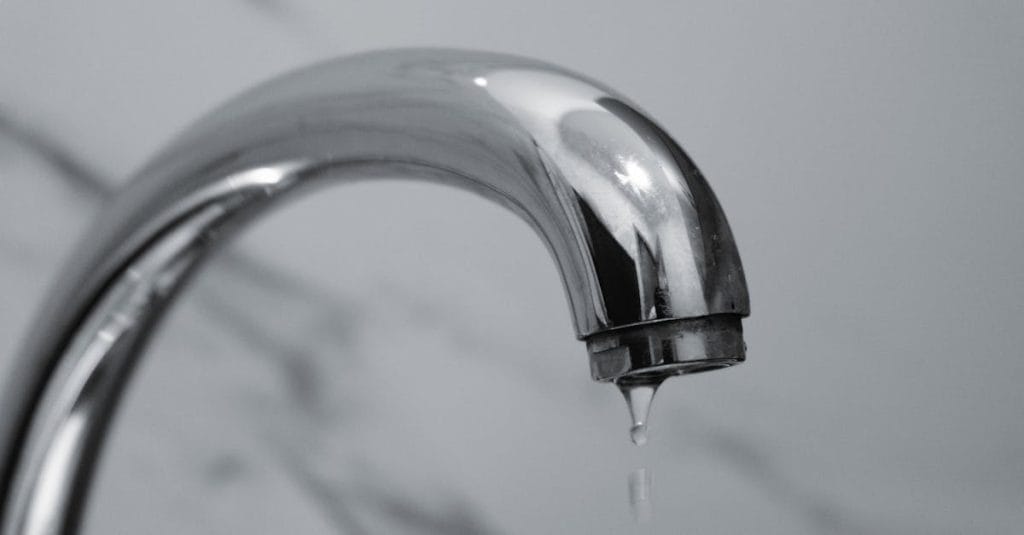
Every litre of hot water you use has been heated at a cost. When you waste water, you’re wasting both the water itself and the energy used to heat it. A dripping hot tap that loses just one drop per second wastes around 20 litres a week, over 1,000 litres a year, and the energy cost of heating that water can exceed £20 annually. Multiply that by inefficient showers, overflowing baths, and running taps, and the waste becomes staggering.
Beyond economics, water conservation eases pressure on local water supplies and treatment infrastructure. The UK may seem like a rainy country, but per capita water availability is lower than you’d think, especially in the densely populated south-east. Reducing consumption helps safeguard supplies during dry spells and reduces the carbon footprint associated with treating and distributing water.
Most households can cut water use by 20–30% with minor habit changes and inexpensive upgrades, improvements that pay for themselves quickly and continue delivering savings year after year.
Energy-Efficient Water Heating Solutions
Improving your water heating efficiency doesn’t always mean ripping out your existing system. Strategic upgrades and adjustments can dramatically reduce energy consumption without very costly.
Upgrading to High-Efficiency Models
If your water heater is over 10–15 years old, it’s almost certainly costing you more than it should. Modern high-efficiency models, whether condensing boilers, heat pump systems, or solar thermal setups, can cut energy use by 30–60% compared to older units.
When choosing a replacement, look for models with high Energy Efficiency Ratings (EER). Condensing combi boilers, for example, capture and reuse heat from exhaust gases that would otherwise be vented outside, achieving efficiency levels above 90%.
Heat pump water heaters are particularly impressive for electric systems. They move heat rather than generating it, using about a third of the electricity of a conventional electric immersion heater. Yes, the upfront cost is higher, typically £1,000–£2,500 installed, but the payback period can be as short as five years, and many qualify for government incentives under schemes like the Boiler Upgrade Scheme.
Solar thermal systems are another excellent long-term investment, especially if you have south-facing roof space. While they won’t meet all your hot water needs year-round, they can cover the majority during spring and summer, dramatically reducing your reliance on gas or electricity.
Insulation and Temperature Settings
Even the most efficient water heater wastes energy if it’s poorly insulated or set too hot. Insulating your hot water cylinder with a British Standard jacket (at least 80mm thick) can reduce heat loss by 45% and cost less than £20. Pipe insulation is equally important, lagging the first metre or two of pipes leaving your cylinder prevents heat from radiating uselessly into your airing cupboard or loft.
Temperature settings matter, too. While 60°C is recommended for storage tanks to kill Legionella bacteria, many people set their thermostats higher out of habit. Each 10°C reduction can save around 3–5% on water heating costs. If you have a combi boiler, you can usually set a lower flow temperature without health risks, as water is heated on demand and doesn’t sit in a tank.
Timer controls and smart thermostats allow you to heat water only when needed, typically an hour or two before your morning routine and again in early evening. There’s no point keeping a full tank hot overnight or while everyone’s at work or school.
Practical Water Conservation Strategies
Technology and equipment upgrades are powerful, but behaviour change is often the fastest and cheapest route to water and energy savings. Small adjustments to daily routines can yield surprisingly large results.
Reducing Hot Water Waste in Daily Routines
Showers are the biggest hot water consumer in most homes, accounting for around 25% of total hot water use. A standard shower uses 10–15 litres per minute: over an eight-minute shower, that’s 80–120 litres. Cutting your shower time by just two minutes saves around 20–30 litres per shower, or over 7,000 litres per person per year.
Turning off the tap whilst brushing your teeth or soaping your hands sounds trivial, but a running hot tap uses about 6 litres per minute. Those 30 seconds add up.
Solar panels can significantly reduce your water heating costs. See our solar panel cost guide to learn more.
When washing up, fill a basin rather than letting the tap run. Running hot water continuously for 10 minutes can use 60 litres: a basin uses around 10. If you have a dishwasher, use it, modern machines use far less water than hand washing, provided you run them only when full.
Baths use substantially more water than showers, typically 80 litres or more, so reserving baths for occasional treats rather than daily habits can make a real difference.
Finally, fix leaks promptly. A dripping tap or a toilet that runs intermittently can waste thousands of litres yearly, and if it’s a hot tap, you’re paying to heat that waste.
Installing Water-Saving Fixtures
Upgrading to water-efficient fixtures is one of the easiest high-impact changes you can make. Many are inexpensive, DIY-friendly, and deliver immediate savings.
Low-flow showerheads reduce water flow to 6–8 litres per minute without sacrificing pressure, thanks to clever aerating technology. They typically cost £15–£40 and can save a household of four around £70 per year on water and energy bills combined.
Tap aerators screw onto existing taps and mix air into the water stream, reducing flow by up to 50% whilst maintaining a satisfying feel. They cost just a few pounds and take seconds to install.
Dual-flush toilets won’t directly affect hot water use, but they’re part of a holistic water conservation strategy. They allow you to choose a half-flush (typically 3–4 litres) for liquid waste and a full flush (6 litres) for solid waste, compared to older single-flush toilets that use 9–13 litres every time.
Flow restrictors can be fitted to showers and taps to cap maximum flow rates. They’re particularly useful in homes with high water pressure, where flow rates can exceed 20 litres per minute.
These fixtures don’t require you to change your behaviour, they simply make your existing habits more efficient, which is why they’re so effective.
Maintenance Tips for Optimal Performance
A well-maintained water heating system runs more efficiently, lasts longer, and is less likely to fail at the worst possible moment. Regular upkeep doesn’t require professional help for most tasks, just a bit of attention once or twice a year.
Start by draining and flushing your water heater annually if you have a storage tank. Sediment, mainly calcium and magnesium, builds up at the bottom of the tank over time, insulating the water from the heating element and forcing your system to work harder. Flushing removes this sediment and can improve efficiency by 5–10%. For most systems, this involves attaching a hose to the drain valve, running water until it’s clear, then refilling.
Check the pressure relief valve (usually found on the side or top of the tank) every six months. This safety device releases pressure if the tank gets too hot. Lift the lever briefly to ensure water flows freely, then let it snap back. If it doesn’t release water or leaks afterwards, replace it.
Inspect insulation on your cylinder and pipes yearly. If the jacket has slipped or pipe lagging has deteriorated, top it up. Even small gaps can allow significant heat loss.
Bleed radiators if you have a system boiler with radiators. Trapped air reduces heating efficiency and can cause cold spots. Bleeding is simple: turn off your heating, place a cloth under the radiator valve, open it with a radiator key until water (not air) comes out, then close it.
Service your boiler annually by a Gas Safe registered engineer. Regular servicing catches small problems before they become expensive failures, ensures your system runs safely and efficiently, and is often a requirement to keep warranties valid. A well-serviced boiler can be up to 10% more efficient than a neglected one.
If you have a heat pump or solar thermal system, check filters and sensors according to the manufacturer’s schedule, and arrange professional servicing every one to two years.
Finally, monitor your energy bills. A sudden unexplained increase can indicate your system is working harder than it should, a sign of developing faults, scale build-up, or inefficiency that warrants investigation.
Conclusion
Home water heating and conservation might not be the most glamorous topic, but it’s one of the most impactful areas where you can take control of your household’s energy use and environmental footprint. From understanding the type of system you have and how it affects your bills, to making strategic upgrades and adopting smarter daily habits, every action counts.
You don’t need to carry out everything at once. Start with the quick wins, insulating your cylinder, shortening showers, fixing leaks, fitting aerators, and build from there. When your water heater eventually needs replacing, choose a high-efficiency model that aligns with your household’s needs and budget.
The combination of efficient equipment and mindful water use can cut your water heating costs by a third or more, reduce carbon emissions, and contribute to a more sustainable future. And perhaps best of all, you’ll never have to worry about running out of hot water halfway through your morning routine.