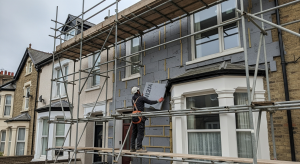
Home insulation costs in the UK range from £300 for basic loft insulation to over £22,000 for full external wall insulation in 2026. The right type depends on your property age, construction, and budget. Most homeowners see the best return from cavity wall and loft insulation, which together can cut heating bills by £250-£740 a year depending on house type.
FREE QUOTE COMPARISON
Compare Insulation Quotes from Trusted Suppliers
✓ GBIS grants available for eligible homes
100% free • No obligation • Takes under 2 minutes
We have compared costs, energy savings, and installation times for every major insulation type available to UK homeowners. All pricing reflects 2026 installer rates and includes both materials and labour. Government grants through ECO4 and the Warm Homes: Local Grant can reduce or eliminate costs for eligible households, and we cover exactly how to access those below.
- Loft insulation is the cheapest upgrade at £300-£1,500 - professional installation of 270mm mineral wool in a 3-bed semi takes under a day and saves around £190 per year on heating
- Cavity wall insulation costs £600-£3,000 depending on house size - installation takes just 2-3 hours with average savings of £110-£380 per year depending on house type
- External wall insulation is the most expensive at £8,000-£22,000 - it suits solid-wall properties built before 1920 and saves around £500 a year for a detached home
- Government grants cover full costs for eligible households - ECO4 (open to December 2026) and the Warm Homes: Local Grant fund cavity, loft, and wall insulation if you receive qualifying benefits or have an EPC rating of D or below
- Combining loft and cavity wall insulation delivers strong value - loft costs around £750 (Energy Saving Trust) and cavity £600-£3,000 depending on house size, with combined annual savings of roughly £250-£740 depending on house type
How Much Does Home Insulation Cost in the UK?
Home insulation costs vary enormously depending on the type. Loft insulation is the cheapest at £300-£1,500 for a typical home, while external wall insulation can reach £22,000 for a large detached property.
| Insulation Type | Typical Cost Range | Energy Saving (Detached) | Installation Time | Disruption Level | DIY Possible? |
|---|---|---|---|---|---|
| Loft (rolls/batts) | £300-£1,500 | £360/year | Half day – 1 day | Low | Yes |
| Cavity wall | £600-£3,000 | £380/year | 2-3 hours | Very low | No |
| Floor insulation | £1,400-£2,500 | £85/year | 1-2 days | Medium | Partial |
| Spray foam (loft) | £1,200-£3,500 | £360/year | 1 day | Low | No |
| Internal wall | £4,000-£13,000 | £500/year | 1-3 weeks | High | No |
| External wall | £8,000-£22,000 | £500/year | 2-4 weeks | Medium-High | No |
Energy savings figures come from the Energy Saving Trust and assume gas central heating. Actual savings depend on your home size, current heating costs, and how well the rest of your home is insulated. Properties with no existing insulation will see the highest returns.
Cavity Wall Insulation Cost
Cavity wall insulation is the most cost-effective upgrade for homes built between the 1920s and 1990s. A registered installer drills small holes in the outer wall, injects insulation material, and seals the holes – typically completing the job within 2-3 hours with minimal disruption.
Costs range from £600 for a mid-terrace to £3,000 for a large detached property. The most common material is mineral wool, though polystyrene beads and polyurethane foam are also used. Annual energy savings of around £380 for a detached home mean payback in roughly 6-8 years at typical prices of £2,200 (Energy Saving Trust) to £3,000.
Not all homes are suitable. Properties with narrow cavities (under 50mm), severe exposure to driving rain, or existing cavity fill cannot have this treatment. An installer survey will confirm whether your walls are suitable. Read our full cavity wall insulation cost guide for detailed pricing by house type and material.
Loft Insulation Cost
Loft insulation is the easiest and cheapest way to reduce heat loss. Around 25% of heat escapes through an uninsulated roof, and topping up to the recommended 270mm depth costs as little as £300 for DIY mineral wool rolls from a builders’ merchant.
Professional installation costs £400-£1,500 depending on your loft size and accessibility. If you already have some insulation, a top-up to 270mm is significantly cheaper than a full install from scratch. Blown-in insulation is an alternative for hard-to-reach lofts, costing slightly more but covering awkward spaces effectively.
Loft insulation delivers the highest energy savings per pound spent. A detached home going from no insulation to 270mm can save around £360 per year, with the typical £750 installation cost (Energy Saving Trust) recouped within around 2 years for a detached home, or around 4 years for a semi-detached home saving £190 a year. For full pricing and grant options, see our loft insulation cost guide.
FREE QUOTE COMPARISON
Compare Insulation Quotes from Trusted Suppliers
✓ GBIS grants available for eligible homes
100% free • No obligation • Takes under 2 minutes
External Wall Insulation Cost
External wall insulation (EWI) is the premium option for solid-wall homes that cannot have cavity fill. It involves fixing insulation boards to the outside of your walls, then finishing with render or cladding. The result is a warmer home with a refreshed exterior, but the cost reflects the scale of the work.
Expect to pay around £15,000 for a typical home (Energy Saving Trust), with quotes ranging from £8,000 to £22,000 depending on property size. Scaffolding, render, and labour make up the bulk of the cost. Without grants, the unsubsidised payback period is around 30 years based on a typical £15,000 installation cost (Energy Saving Trust) and detached-home savings of around £500 per year – which is why most EWI installations rely on ECO4 or the Warm Homes: Local Grant for eligible households.
Planning permission is not normally required, but conservation area restrictions may apply. Our external wall insulation cost guide covers pricing in detail, including what to expect during installation.
Internal Wall Insulation Cost
Internal wall insulation (IWI) is an alternative for solid-wall homes where external insulation is not practical or permitted. Insulated plasterboard or stud-wall systems are fitted to the inside face of external walls, reducing heat loss without changing your home’s exterior.
Costs range from £4,000-£13,000 depending on the number of rooms treated. The main drawbacks are reduced room sizes (each wall loses 50-100mm of depth), disruption during installation (1-3 weeks), and the need to relocate radiators, sockets, and skirting boards. Internal wall insulation is best suited to heritage properties where the external appearance must be preserved.
Floor Insulation Cost
Floor insulation is often overlooked, but uninsulated ground floors are a notable source of heat loss in homes without it. The approach depends on whether you have a suspended timber floor or a solid concrete floor, with typical costs of £1,400-£2,500 for either option.
Suspended timber floors can be insulated from below (if there is a crawl space) or by lifting floorboards and fitting mineral wool between joists. Solid concrete floors need rigid insulation boards laid on top, which raises the floor height slightly. Savings of £40-£100 per year depending on house size mean floor insulation works best as part of a whole-house approach rather than a standalone project.
Spray Foam Insulation Cost
Spray foam insulation costs £1,200-£3,500 for a typical loft and is growing in popularity as a premium alternative to mineral wool. Open-cell foam is applied to the underside of the roof, creating an airtight seal that prevents draughts and condensation.
The key risk with spray foam is that some mortgage lenders refuse to lend on properties with spray foam in the loft. The Royal Institution of Chartered Surveyors (RICS) has flagged concerns about roof timber inspection and ventilation. If you plan to sell your property, check lender requirements before committing to spray foam. BBA-certified products installed by approved contractors carry fewer risks than unregulated alternatives.
Which Insulation Do I Need?
The right insulation depends on your property type, construction age, and what you already have. Most homes benefit from starting with loft and cavity wall insulation before considering more expensive options.
- Pre-1920 solid wall home - start with loft insulation, then consider external or internal wall insulation. No cavity to fill.
- 1920s-1990s cavity wall home - loft and cavity wall insulation together typically cost £900-£4,500 depending on house size and deliver the best combined savings.
- Post-1990s home - likely already has cavity insulation and some loft insulation. Check depth (should be 270mm) and top up if needed.
- Listed or conservation area property - internal wall insulation preserves the exterior. Check with your local planning authority before any external work.
Always start with the cheapest, highest-impact upgrades. For most UK homes, that means loft insulation first (£300-£1,500), then cavity wall insulation (£600-£3,000). Together, these two upgrades can cut heating bills by £250-£740 a year depending on house type.
Insulation Grants and Funding
Government grants can cover the full cost of insulation for eligible households. ECO4 (Energy Company Obligation, open to December 2026, means-tested) and the council-run Warm Homes: Local Grant (open to March 2028) are the main routes. The Great British Insulation Scheme (GBIS) closed to new applications in March 2026. Eligibility depends on your income, benefits, and property EPC rating.
Under ECO4, households receiving qualifying benefits (Universal Credit, Pension Credit Guarantee, Income Support, income-based JSA, income-related ESA, or Housing Benefit) can receive fully funded cavity wall, loft, and solid wall insulation. The Warm Homes: Local Grant extends eligibility to households with income up to around £36,000 a year in EPC band D-G properties, with a focus on cavity wall and loft insulation.
Some local authorities offer additional grants or interest-free loans for home energy improvements. For a full breakdown of every scheme, eligibility criteria, and how to apply, read our insulation grants guide. You can also check our dedicated pages on ECO4 and the now-closed GBIS scheme for background eligibility information.
How to Find a Reliable Insulation Installer
Choosing the right installer matters as much as choosing the right insulation type. A poorly installed cavity fill can cause damp problems, and incorrect loft insulation can create condensation. Always verify credentials before accepting a quote.
Look for TrustMark registration (the government-endorsed quality scheme), membership of the Cavity Insulation Guarantee Agency (CIGA) for cavity work, and BBA-certified materials. Get at least three written quotes, and be wary of cold callers or companies that push for an immediate decision without surveying your property first.
Our best insulation companies guide compares national and local installers, explains what credentials to look for, and highlights common red flags to avoid.
FREE QUOTE COMPARISON
Compare Insulation Quotes from Trusted Suppliers
✓ GBIS grants available for eligible homes
100% free • No obligation • Takes under 2 minutes
Is Home Insulation Worth It?
Home insulation is one of the highest-return investments you can make in your property. The combination of lower heating bills, increased comfort, and improved EPC ratings means loft and cavity wall insulation typically pay for themselves within around 2-8 years even without grants, while solid wall insulation takes decades without funding.
For a typical 3-bed semi-detached home, adding loft and cavity wall insulation costs around £1,750-£3,250 (loft around £750 plus cavity £1,000-£2,500) and saves around £390 per year on gas bills. That is a payback period of around 4-8 years, after which the savings are yours to keep.
Beyond financial returns, insulation reduces your carbon footprint. Heating is the largest single source of carbon emissions in most UK homes, so cutting the heat you lose is one of the most direct ways a household can reduce its footprint.