
Thinking about adding a conservatory in 2026? It’s worth knowing how much prices swing depending on style, size, and what you build it out of.
FREE QUOTE COMPARISON
Compare Conservatory Quotes from Trusted Suppliers
✓ Prices from £5,000 installed
100% free • No obligation • Takes under 2 minutes
The UK market’s got everything, from basic glass boxes to high-end builds with fancy glazing and heating tucked in.
A standard 3×3 metre conservatory with professional installation typically costs between £8,000 and £15,000, whilst larger 6×4 metre structures can range from £15,000 to £30,000 or more depending on specifications.
That’s for foundations, glazing, and the basic finishing. Go for extras like dwarf walls or posh roofing, and you’ll see the total climb.
Size is the big one for cost, but the materials, roof, and how tricky the install is all play a part. If you’re clued up on these, you can avoid blowing the budget on stuff you don’t need.
- Conservatory prices range from £8,000 to £35,000 - basic uPVC models start lower while premium hardwood designs reach the upper end
- Size increases costs by £300-500 per square metre - doubling floor space can add £6,000-12,000 to your total project budget
- Solid roof upgrades cost £3,000-8,000 more than glass - but improve insulation and cut heating bills by roughly £100-£300 a year
- Victorian style conservatories cost 15-20% more than lean-to designs - ornate detailing and complex construction drive up both materials and labour expenses
- Get 3+ quotes to save £2,000-5,000 on installation - prices vary significantly between local builders and national conservatory specialists
Average UK Conservatory Prices in 2026
UK conservatory prices range from £5,000 to £30,000+, with a standard 3x3m build averaging £13,950 including installation and groundwork.
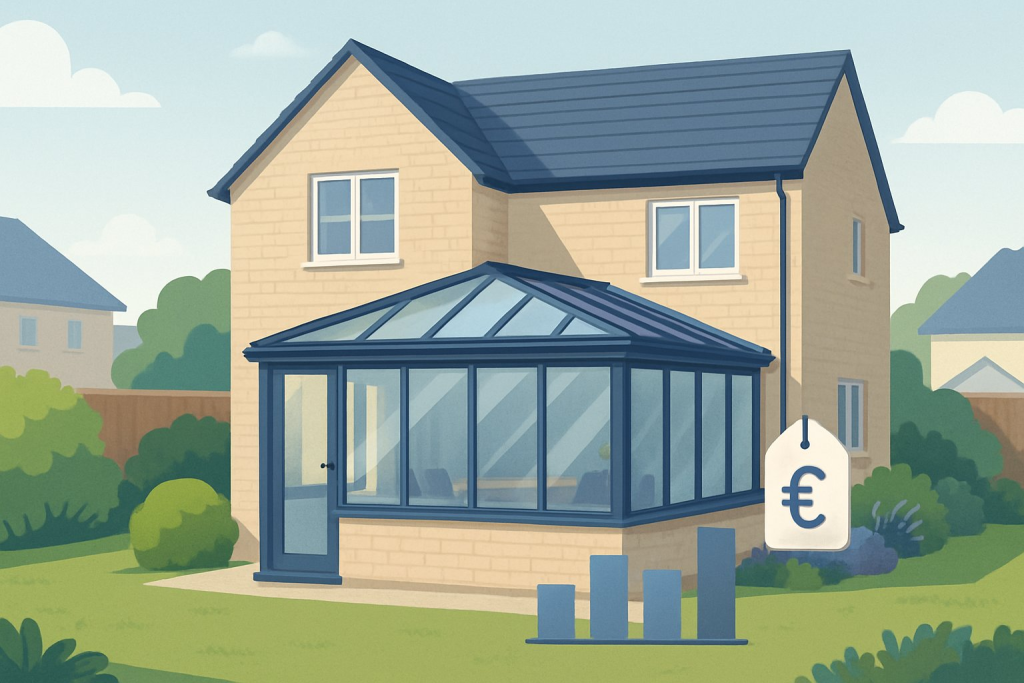
For 2026, conservatory costs land anywhere between £5,000 and £30,000+. The average 3m x 3m build is about £13,950, but it really depends where you are and what you want.
Typical Price Ranges by Conservatory Type
Lean-to conservatories are usually the cheapest – glass-roofed versions run from £9,000 to £13,200. They’re simple, with sloping roofs and not much fuss.
Edwardian and Victorian conservatories cost about 25% more than lean-to styles. Edwardian ones are square or rectangular, while Victorian have curved bay fronts – bit fancier, really.
Gable-end conservatories come in at £15,750 to £19,800, depending on what you build them with. uPVC is cheaper, wood is pricey.
P-shaped conservatories are bigger, combining lean-to and curved bits, and usually cost £14,215 to £20,395. Good for extra space, if you need it.
Oak-framed conservatories are in another league – £30,000 to £40,000 and up. You’re paying for the look and the craftsmanship here.
Fully Fitted Conservatory Installation Costs
Fully fitted means you get foundations, glazing, and all the finishing. Most quotes land between £9,000 and £25,000 for the whole thing.
Material choices are a big deal. uPVC is the budget pick, wood’s about 50% more, and aluminium usually sits 25% above uPVC.
Roof materials change the price too. Tiled roofs cost about half as much again as glass, but they’re warmer. Polycarbonate is cheap, but honestly, it doesn’t last as well.
Installation complexity can sneak up on you. If your site’s tricky to access or the ground’s awkward, expect to pay more for labour.
Regional Price Variations
Southern England is the most expensive, especially around London. You’ll pay 15-25% more than up north.
Northern regions are usually better value – Scotland, Wales, and the North tend to have lower labour and material costs.
Urban versus rural? Cities cost more, mostly due to labour rates and tight access. Rural jobs might get hit with delivery surcharges, though.
If you’re somewhere with lots of installers, you’ll probably get a better deal. Less competition means higher prices – no surprise there.
FREE QUOTE COMPARISON
Compare Conservatory Quotes from Trusted Suppliers
✓ Prices from £5,000 installed
100% free • No obligation • Takes under 2 minutes
Is It Cheaper to Build an Extension or a Conservatory?
A conservatory is typically 30-50% cheaper than a single-storey extension of equivalent size. A 3x3m conservatory costs £8,000-£15,000 installed, while a comparable single-storey extension costs £20,000-£35,000 because of foundations, full insulation, plumbing, and electrics built to Building Regulations standard.
The trade-offs aren’t just price:
- Conservatory: Cheaper, faster (4-6 weeks), often no planning permission needed under permitted development. Limited year-round comfort without insulated roof + heating.
- Single-storey extension: 2-3x the cost, 3-6 month build time, full Building Regulations approval. Adds more resale value (8-15% vs conservatory’s 5-10%) and is fully usable year-round.
- Hybrid – solid roof conservatory: £15,000-£25,000. Bridges the gap with extension-like usability at conservatory speeds.
If your priority is more budget-friendly extra space, choose a conservatory. If you need a fully thermally efficient room that adds maximum resale value, an extension is worth the premium.
Key Factors Influencing Conservatory Costs
Frame material is the biggest cost driver: uPVC is cheapest, aluminium adds roughly 25%, and timber frames cost approximately 50% more than uPVC.
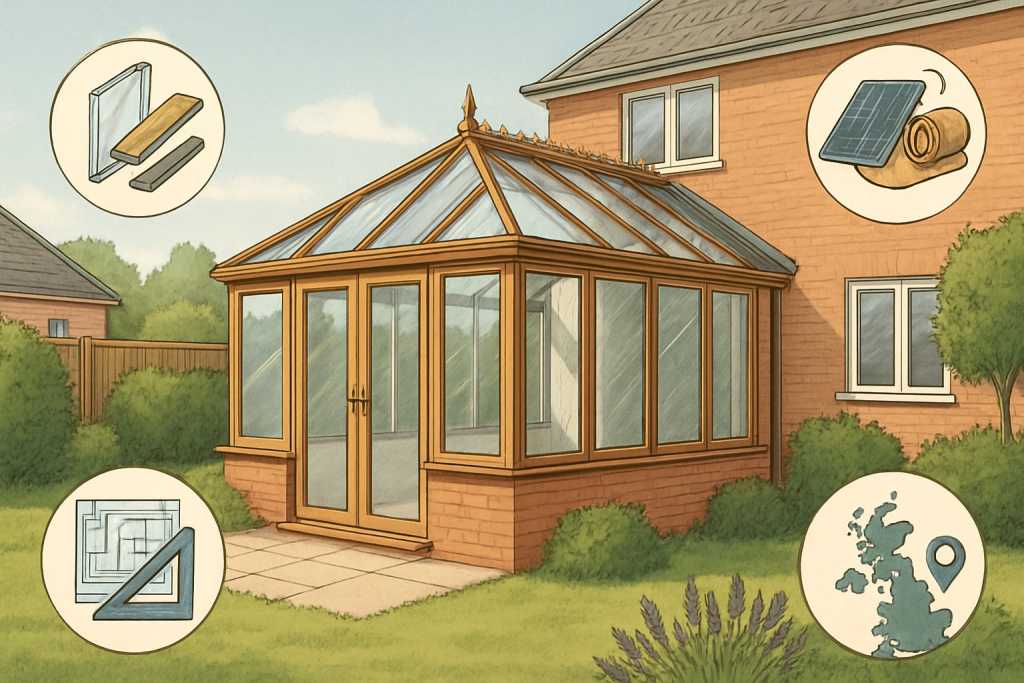
Loads of things affect the final price tag for a conservatory in 2026. Size, materials, glazing, and how tricky the install is all matter – a small change can mean thousands of pounds either way.
Size and Shape of Conservatory
Size is the real cost driver. A 3×3 metre build is much cheaper than a 6×4, no two ways about it.
Standard size price impacts:
- Small conservatories (3x3m): Cheaper on materials and foundations
- Medium (4x4m): Sits in the middle for cost and complexity
- Large (6x4m): Needs beefier structure and more glass
Go for a fancy shape and you’ll pay more. Victorian or Edwardian styles with angled fronts need extra panels and skilled fitting – definitely not a quick job.
Bigger builds mean deeper footings and more groundwork, so expect higher costs and longer projects.
Once you get past a certain size, you might need building regs approval. That can mean extra admin fees and tweaks to keep everything above board.
Material Choices and Their Impact
What you build with really shifts the price. uPVC is the wallet-friendly pick, with decent insulation and no fuss.
Aluminium costs more, but looks smart and lasts ages. Slim frames, modern vibe, and not much maintenance needed.
Hardwood – think oak – is the luxury option. It’s expensive up front and needs regular care, but honestly, it looks fantastic and can add value.
Composite materials are a bit of a halfway house. They’re pricier than uPVC but often give you better insulation and a nicer finish.
Roof materials matter too. Polycarbonate is the cheap and cheerful choice, but it’s noisy in the rain and doesn’t keep heat in. Glass roofs cost more but are comfier and quieter.
If you splash out for self-cleaning or thermally efficient glass, you’ll pay extra, but it might save on cleaning and heating later on.
Glazing Options and Insulation
Glazing is another big ticket. Double glazing is the norm – solid insulation, not too pricey.
Triple glazing bumps up the cost but is worth it for cold or exposed spots. It really keeps the heat in.
Specialist glass options to think about:
- Self-cleaning to cut down on chores
- Tinted glass for less glare and heat
- Low-emissivity for better insulation
- Acoustic glass to keep noise out
Roof glazing needs to be tougher than the walls – it takes more weather and temperature swings.
Frame insulation matters too. Thermally broken aluminium or insulated uPVC is pricier, but you’ll notice the difference in winter.
Spending here often makes sense – you get lower heating bills and a conservatory you’ll actually want to use all year.
Installation and Labour Considerations
How complicated the installation is can really change the price. Type 1 installs (using an existing doorway) are simpler and cheaper than Type 2 (making new openings).
Cutting a new opening means structural work, lintels, and patching up – definitely a job for pros, and it drags the timeline out.
Electrical needs can be basic or get fancy:
- Just lighting and a couple of sockets
- Underfloor heating
- Smart home bits
- High-power appliances needing their own circuits
Access can slow things down. Tight side access means lugging materials through the house, which isn’t fun for anyone and costs more.
Ground conditions make a difference. Clay, slopes, or hidden pipes can mean extra digging and expense.
Planning permissions and building regs add fees, and you might need an engineer or consultant if it’s a big or tricky job.
Going pro usually means you get warranties and insurance, so if something goes wrong, you’re covered. Worth checking before you sign anything.
Conservatory Styles and Associated Prices
Victorian conservatories cost £10,000–£18,000 for 15m², Edwardian designs run £9,000–£15,000, and lean-to styles start from just £5,000 for 10m².
Different styles have their own price tags. Lean-to designs start at £5,000, while Victorian versions usually run from £10,000 to £18,000. Style affects both the upfront cost and how fiddly the build is.
Victorian Conservatory
Victorian conservatories have those lovely curved bay fronts and decorative touches, great for period homes.
Expect to pay between £10,000 and £18,000 for a standard 15m² build with uPVC and glass roofing.
Victorian conservatory prices by supplier:
| Supplier | Base Cost | Installed Cost |
|---|---|---|
| Wickes | £9,000 | £13,000 |
| Anglian | £11,000 | £16,000 |
| Ultraframe | £13,000 | £18,500 |
Go for timber frames or a tiled roof and you’ll easily top £20,000. The curved glass and fancy bits make these more expensive than the plainer styles.
Edwardian Conservatory
Edwardian styles are all about square lines and maximising space. For a 15m² build with uPVC and polycarbonate, you’re looking at £9,000 to £15,000.
The simple shape means you get more usable space for your money. If you want glass roofing or aluminium frames, the price can hit £17,000.
Price comparison for Edwardian styles:
- Wickes: £8,000 (£12,000 installed)
- Anglian: £10,000 (£14,500 installed)
- Everest: £11,500 (£16,500 installed)
Edwardian conservatories fit modern homes well and tend to be more practical than Victorian ones for day-to-day living.
Lean-to Conservatory
Lean-to conservatory designs are usually the most budget-friendly. They feature a straightforward sloped roof that just attaches to the house wall.
Prices kick off from about £5,000 for a basic 10m² structure with uPVC frames and polycarbonate roofing. Not a terrible deal if you want something simple.
Installation costs stay lower since the design is so simple and uses fewer materials. A standard lean-to with glass roofing sits between £8,000 and £12,000, installation included.
These modern conservatories really suit smaller properties, or if you’re tight on space. The minimalist design fits contemporary homes and the installation is usually pretty quick.
Premium brands like Everest can charge up to £11,000 for fancier specs. If you’re not fussed about brands, basic models from suppliers like Wickes start at just £7,000 fully installed.
Orangery
Orangeries mix the benefits of a conservatory with the look of a traditional extension. There’s more brickwork and less glass compared to standard conservatories.
Prices usually start from £15,000 and can easily go past £30,000 for bigger setups. These structures offer better insulation thanks to solid wall construction.
The brick pillars and glazed roof give you a space you can use all year. Orangeries need stronger foundations and often planning permission, which bumps up the price.
They typically add more value to your home compared to a standard conservatory, since they look more like a permanent extension. Installation is more involved and materials are pricier, but the end result is a genuinely versatile living space.
What Is the 10-Year Rule for Conservatories?
The 10-year rule (Section 171B of the Town and Country Planning Act 1990) means that if your conservatory was built without planning permission and has been in place for 10+ years without enforcement action, it becomes immune from removal orders. From April 2024, this rule was extended to a single 10-year limit for all unauthorised development in England.
Important caveats homeowners often miss:
- You must prove continuous existence for 10+ years – dated photographs, council tax records, utility bills, surveyor reports
- Building Regulations compliance is separate – the 10-year rule covers planning enforcement only, not structural safety. Major non-compliance can still trigger remedial works orders
- Selling can flag the issue – your buyer’s solicitor will ask for a Certificate of Lawfulness (CLEUD) costing £103-£250 from your local authority
- If you’re within 10 years and it was unauthorised, you can apply for retrospective planning permission – usually granted for conservatories meeting permitted development limits
Most conservatories don’t need planning permission anyway under permitted development rights, but check before relying on the 10-year rule alone.
Roofing Types and Price Differences
Solid tiled roofs cost £6,000–£15,000 but achieve a U-value of 0.18 W/m²K – saving £100–£300 annually on heating versus glass or polycarbonate.
The type of roof you choose makes a huge difference to both upfront cost and long-term comfort. Polycarbonate is the cheapest, starting from £2,000.
Glass roofs offer better insulation and start from £4,000, while solid roofs promise year-round comfort from around £6,000. Each has its place, but the price gaps are pretty clear.
Glass Roof vs Polycarbonate Roof
Polycarbonate roofs are still the go-to if you’re watching your budget. A typical 10m² installation lands between £2,000 and £4,000, fitting included.
They’re lightweight, let in loads of light, and don’t need much structural support. Multi-wall polycarbonate is a bit better at keeping warmth in than single-wall.
The 25mm thick panels insulate better than the basic 16mm ones. Glass roofs cost a fair bit more, but they look great and insulate your space much better.
A 15m² glass roof can set you back £4,000 to £8,000, depending on the glass. Double-glazed units are more thermally efficient than polycarbonate, with U-values around 1.6 W/m²K.
If you go for triple glazing or solar control glass, costs go up but you’ll be a lot more comfortable whatever the weather. Glass roofs need sturdier support frames, which adds to the complexity and price.
Solid and Insulated Roofing Solutions
Tiled and solid roofs really turn a conservatory into a proper living room. Installation is usually between £6,000 and £15,000 for a 15m² space, including the extra reinforcements you’ll need.
These systems can hit U-values as low as 0.18 W/m²K or better. The insulation sorts out temperature swings and can shave £100-£300 off your energy bills each year.
Bear in mind, solid roofs need building regulation approval, which adds £200-£800. You might also need to pay £1,000-£3,000 for extra structural tweaks, depending on your existing framework.
Lightweight tile systems from brands like SupaLite and Guardian are easier to fit. Ultraframe’s premium systems are pricier but come with better performance and longer warranties.
FREE QUOTE COMPARISON
Compare Conservatory Quotes from Trusted Suppliers
✓ Prices from £5,000 installed
100% free • No obligation • Takes under 2 minutes
How Much Does It Cost to Replace a Conservatory Roof?
Replacing a conservatory roof costs £4,000-£18,000 in 2026 depending on the roof type. Tiled (warm) roofs run £8,000-£18,000, glass roofs £4,500-£10,000, and polycarbonate replacement £4,000-£7,500. The replacement cost on a typical 3x3m conservatory is roughly half the price of a full new conservatory.
Replacement is usually worth doing when:
- Polycarbonate is failing – the most common reason. Replacing with a tiled roof transforms the conservatory from seasonal to year-round usable
- Glass seals have blown – causing condensation, leaks, and energy loss. Often the underlying frame is salvageable
- You want to upgrade to a warm roof for thermal efficiency – typical heating savings of £200-£400/year for an unheated conservatory becoming usable
For the full breakdown by material, see our dedicated conservatory roof cost guide. If you’re choosing between tiled, glass, and polycarbonate options, our three-way roof comparison covers the trade-offs.
Popular Features and Their Effect on Cost
Aluminium bi-fold doors add £3,500–£5,000, self-cleaning glass costs £500–£1,000 extra, and underfloor heating adds £2,000–£4,000 to the total.
Modern features can really push up the final price. Bi-fold doors and things that boost natural light can add £2,000-£8,000 to a basic build.
Interior upgrades like heating or fancy lighting can hike costs by £1,500-£5,000, depending on how far you want to go.
Bi-Fold Doors and Natural Light Enhancements
Bi-fold doors are a game changer for opening up your conservatory. They usually add £2,000-£5,000, based on size and material.
uPVC bi-fold doors start at £2,000-£3,000. Aluminium bi-fold doors are £3,500-£5,000, but they look sleeker and last longer.
Premium glazing options let in more light and help with energy bills. Self-cleaning glass bumps up the price by £500-£1,000, while solar control glazing can add £800-£1,500 but stops things getting too hot in summer.
Triple glazing costs £1,200-£2,500 more than double glazing, but it’s a big step up for comfort. French doors are cheaper at £800-£1,500 but don’t give you the same open-plan feel as bi-folds.
Heating, Lighting, and Interior Options
Underfloor heating is about £2,000-£4,000 for a medium-sized conservatory. Electric systems are cheaper up front, but water-based ones are more efficient long term.
LED downlights cost £200-£500 for a basic setup. Feature lighting like spotlights or decorative bits ranges from £500-£1,500.
Ceiling fans are £300-£800 and help keep things comfortable all year. Blinds can be £500-£2,000, especially if you want anything automated.
Flooring makes a difference to both cost and how the room feels. Tiled flooring adds £1,000-£2,500, while engineered wood flooring is more like £1,500-£3,500 for a fancier finish.
Electrical work for sockets and lighting is usually £500-£1,200. If you want smart home features or more complex circuits, it might reach £2,000-£3,000.
Use our free Conservatory Cost Calculator to get a personalised cost estimate based on your specific requirements.
Does a Conservatory Add Value to Your Home?
A well-built conservatory typically adds 5-10% to a UK home’s resale value, with solid-roof conservatories at the upper end and traditional glass-roof conservatories at the lower end. On a £300,000 property, that’s £15,000-£30,000 in value uplift against a £10,000-£20,000 install cost – generally a positive ROI but lower than a single-storey extension’s 8-15% uplift.
Three factors decide whether you actually capture the value:
- Year-round usability: Buyers value rooms they can use in winter. Insulated solid roof + underfloor heating = better resale; uninsulated glass roof that’s freezing in winter = limited valuation impact
- Quality of build: FENSA/CERTASS-registered installers, proper foundations, and Building Regulations compliance signal a permanent improvement rather than a “summer house” addition
- Property type fit: Conservatories on period properties (Edwardian/Victorian semis) add proportionally more value than on new-builds, where buyers expect modern square footage built to current standards
Estate agents flag two cases where conservatories actively reduce value: oversized installations that consume the entire garden, and ageing 1990s-2000s units with failing seals visible during viewings.
Maximising Value and Saving on Costs
Replacing just the roof (from £3,500 for a 3x3m) saves significantly versus a full rebuild (£8,000+), and winter bookings may offer better pricing.
Making clever choices about timing, materials, and financing can really trim your conservatory bill. Before committing, it’s worth understanding the full benefits of having a conservatory – from added property value to extra living space. Roof replacements are often better value than full rebuilds, and energy-efficient options save you money over time.
There are payment plans out there to help spread the cost, which is handy if you don’t want to pay everything up front.
Upgrades vs Complete Replacement
Swapping out an old conservatory roof is way cheaper than starting from scratch. A new roof for a 3×3 metre conservatory starts from about £3,500, while a full structure is at least £8,000.
Solid roofs are great for temperature control and can make an unused space genuinely liveable all year. Upgrading is often more cost-effective than a full rebuild, especially if the frame is still solid.
Key upgrade options include:
- Solid tile or slate roofs for better insulation
- Modern glazing systems for improved thermal efficiency
- Upgraded doors and windows
- New electrical and heating systems
Energy Efficiency and Long-Term Savings
Energy-efficient features make a real dent in heating and cooling bills over time. Double or triple glazing, thermal breaks, and proper insulation keep things comfortable whatever the season.
Modern glass can be self-cleaning or have solar control coatings. These bits cut down on cleaning and keep the room comfortable without extra hassle.
Energy-saving features to consider:
- Low-E coated glass for less heat transfer
- Argon-filled double glazing for better insulation
- Thermal bridging solutions to avoid cold spots
- Good ventilation systems to stop condensation
UPVC conservatories are good for thermal performance and don’t cost as much as timber or aluminium. They’re low maintenance and keep their insulation value for years.
Heating systems designed for conservatories are more efficient than just extending your main house heating. Underfloor heating works especially well with solid floors and keeps the temperature even.
Finance and Payment Options
Most companies let you pay in stages as the build progresses. It helps spread the cost and gives you some peace of mind that the work’s being done before you hand over more money.
Typical payment structure:
- 10% deposit when you order
- 40% when materials arrive
- 40% at installation completion
- 10% after final checks and snagging
Some suppliers offer 0% finance if you qualify, which can make bigger projects manageable without cutting corners. Home improvement loans from banks and building societies can also be worth a look for decent rates.
If you book in winter, you might get a better price as demand drops, though bad weather can slow things down. Always get multiple quotes – local installers often beat national chains for standard jobs.


