Rates and data last verified 22 February 2026 by the ExpertSure editorial team. Sources are listed in the methodology below the calculator.
A conservatory cost calculator helps UK homeowners estimate the total price of adding a conservatory based on style, size, materials, and glazing type. A basic lean-to conservatory starts from £5,000 and ranges up to £12,000, while a Victorian-style conservatory typically costs £12,000 to £25,000 including foundations, building work, and standard double glazing. For a premium orangery with brick pillars and a lantern roof, expect to pay between £20,000 and £40,000. These figures include VAT at 20% and standard groundwork, though costs increase by 10% to 20% in London and the South East compared to northern regions. The single largest cost variable is roof type — a solid tiled roof adds £3,000 to £7,000 over a standard polycarbonate roof but dramatically improves thermal performance and year-round usability. This calculator provides an itemised estimate tailored to your specific requirements and location.
FREE QUOTE COMPARISON
Compare Conservatory Quotes from Trusted Suppliers
✓ Prices from £5,000 installed
100% free • No obligation • Takes under 2 minutes
How to Use This Calculator
Select your conservatory style — choose from lean-to, Victorian, Edwardian, P-shaped, or orangery to set the base cost parameters.
Enter the desired size — input the width and projection in metres; most standard conservatories range from 3m x 3m to 5m x 4m.
Choose your frame material and roof type — select between uPVC, aluminium, or timber frames, and polycarbonate, glass, or solid tiled roof options.
Review your itemised estimate — the calculator breaks down costs across foundations, frame, glazing, roof, electrics, and finishing to give you a total project price.
A new conservatory in the UK costs between £7,500 and £25,000 depending on style, size, and materials. A standard 12m² Edwardian conservatory in uPVC with a polycarbonate roof costs approximately £14,000–£15,000 fully installed including foundations, electrics, and VAT. Lean-to conservatories start from £7,500, while large P-shaped designs reach £20,000+.
Select your preferred conservatory style from the cards, choose a size that fits your garden, pick your frame material and roof type, then set your region. Optionally add heating and flooring to see the full cost. The calculator shows a complete breakdown including foundations, electrics, and an estimate of the value added to your property.
What Affects Conservatory Costs?
The total cost of a conservatory depends on five main factors: the style you choose, the size of the build, your frame material, the roof type, and where you live in the UK. Each of these can shift the final price by 15–65%, so understanding the trade-offs helps you budget accurately before approaching installers.
Conservatory Styles and Their Cost Impact
A lean-to conservatory is the most affordable option, starting from around £7,500 for a small build. Its simple single-slope roof and straightforward construction mean fewer materials and faster installation — typically 3–4 weeks compared to 5–6 weeks for more complex styles. Lean-to designs work particularly well on bungalows and properties with limited headroom under the eaves.
Edwardian conservatories offer the best balance of cost and usable space. Their rectangular footprint means no awkward corners — every square metre is functional. At around £12,000 for a standard 12m² build in uPVC, they cost roughly 30% more than a lean-to but provide significantly better furniture placement options and a more proportioned appearance from the garden.
Victorian conservatories are the classic choice, with their distinctive faceted bay front creating an elegant focal point. Expect to pay around £12,500 for a standard build — the additional facets and ridge detailing add about 14% to the cost versus an Edwardian. The trade-off is that the curved front wall reduces usable floor area compared to the rectangular Edwardian at the same nominal size.
P-shaped conservatories combine a lean-to and a Victorian or Edwardian section, creating a dual-purpose space that can serve as both a dining area and a lounge. Starting from £15,000, they’re the most expensive standard style but add the most value to a property — an estimated 5–6% uplift on house price, compared to 3% for a lean-to.
Materials: uPVC vs Aluminium vs Hardwood
uPVC frames account for approximately 80% of UK conservatory installations and offer the best value. They require minimal maintenance (just occasional cleaning), provide good thermal performance, and come in a wide range of colours and woodgrain finishes. A full uPVC conservatory costs roughly £11,000–£15,000 for a standard build.
Aluminium frames cost around 35% more than uPVC but offer slimmer sightlines (allowing more glass area), greater structural strength (enabling larger spans without support posts), and a contemporary aesthetic that suits modern homes. Aluminium conservatories typically cost £15,000–£20,000 for a medium build. They’re also extremely durable — aluminium frames can last 40+ years with virtually zero maintenance.
Hardwood frames are the premium choice, costing 60–65% more than uPVC. Oak, accoya, and sapele are the most common species, each offering a rich natural appearance that improves with age. A hardwood conservatory starts from around £18,000 and can exceed £30,000 for larger designs. The trade-off is maintenance: hardwood frames need repainting or re-staining every 3–5 years to protect against weathering.
Roof Types: Polycarbonate, Glass, or Solid
Your choice of roof has the biggest impact on how the conservatory feels to use. A polycarbonate roof is the cheapest option and provides adequate light, but it amplifies rain noise, offers limited insulation, and can make the space uncomfortably hot in summer and cold in winter. It’s best suited to conservatories used primarily in spring and autumn.
Glass roofs cost around 15% more but dramatically improve the experience. Self-cleaning glass reduces maintenance, while solar control coatings reflect heat in summer and retain warmth in winter. Noise reduction versus polycarbonate is significant — a glass roof in heavy rain is noticeably quieter. For most homeowners, the upgrade from polycarbonate to glass is the single best investment in conservatory comfort.
Solid (tiled) roofs add approximately 40% to the cost but transform a conservatory into a genuine year-round living space. Modern lightweight tile systems like Guardian and Supalite weigh just 35–40 kg/m² (compared to 80+ kg/m² for traditional tiles) and include integrated insulation. Many homeowners retrofitting conservatories now choose solid roofs specifically to solve the “too hot in summer, too cold in winter” problem that plagues older polycarbonate-roofed builds.
Hidden Costs to Budget For
The headline price from a conservatory company covers the structure and installation, but several additional costs catch homeowners off guard. Our calculator includes the main extras, but here’s what to expect:
Does a Conservatory Add Value to Your Home?
A well-built conservatory typically adds 3–6% to a property’s value, depending on the style and quality. On a £290,000 home (the UK average), that’s £8,700–£17,400 of added value. The return on investment is strongest for P-shaped and Edwardian conservatories that create genuinely usable living space, and weakest for poorly-insulated lean-to builds that estate agents describe as “seasonal rooms.”
The key to maximising value: ensure the conservatory is usable year-round. That means a glass or solid roof (not polycarbonate), heating, and proper insulation. A conservatory that functions as a true extension of the home — rather than a glorified greenhouse — consistently commands higher valuations from estate agents and stronger offers from buyers.
How to Save Money on Your Conservatory
The single most effective way to reduce costs is to get multiple quotes. Prices for identical conservatories can vary by 30–40% between installers, even within the same region. Our free quote comparison tool connects you with up to 4 vetted local installers so you can compare like-for-like.
Consider timing your build for autumn or winter. Conservatory companies are quieter in the off-season and may offer 10–15% discounts to keep their teams busy. Lead times are also shorter — 2–3 weeks versus 6–8 weeks in the spring/summer rush. The trade-off is that concrete foundations cure more slowly in cold weather, potentially adding a few days to the build schedule.
If budget is tight, a lean-to with a glass roof often delivers better value than a larger Victorian or Edwardian with a polycarbonate roof. The glass roof makes the smaller space feel premium and usable year-round, while the polycarbonate on the larger build creates a space that’s too hot in summer and too cold in winter — ultimately reducing how much you use it.
FREE QUOTE COMPARISON
Compare Conservatory Quotes from Trusted Suppliers
✓ Prices from £5,000 installed
100% free • No obligation • Takes under 2 minutes
A standard 3m × 4m lean-to conservatory in uPVC costs £8,000-£12,000, while a Victorian or P-shaped design costs £15,000-£25,000. The biggest cost variable is the roof - glass or solid roofs add £3,000-£5,000 over polycarbonate.
Conservatory Costs by Style and Size
The table shows typical UK conservatory costs for common styles and sizes in uPVC with a polycarbonate roof. Glass and solid roofs add £3,000–£5,000.
| Style | Size | uPVC + Polycarbonate | uPVC + Glass Roof | Aluminium + Glass |
|---|---|---|---|---|
| Lean-to | 3m × 3m | £7,500 | £11,000 | £15,000 |
| Victorian | 3m × 3m | £10,000 | £14,000 | £18,000 |
| Edwardian | 3m × 4m | £12,000 | £16,000 | £21,000 |
| Gable-end | 4m × 4m | £14,000 | £18,000 | £24,000 |
| P-shaped | 5m × 4m | £18,000 | £23,000 | £30,000 |
| Orangery | 4m × 4m | £22,000 | £27,000 | £35,000 |
Based on average UK installer pricing 2025/26. Prices include base, walls, roof, and standard electrics.
Related Calculators
Explore our other free business calculators:
- Double Glazing Cost Estimator — Estimate double glazing prices
- Boiler Running Cost Calculator — Compare boiler running costs
- Heat Pump Running Cost Calculator — Estimate heat pump costs
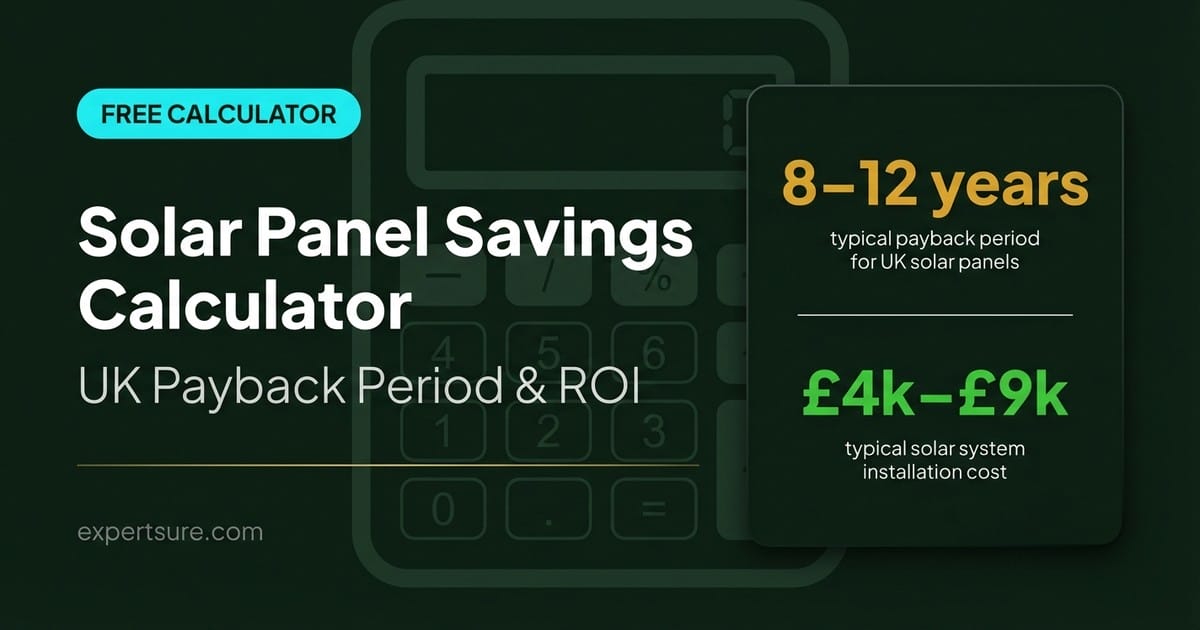
- Solar Panel Savings Calculator — Estimate solar panel savings