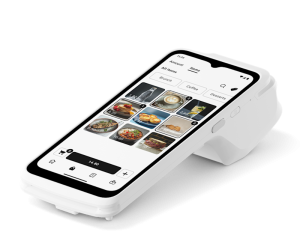
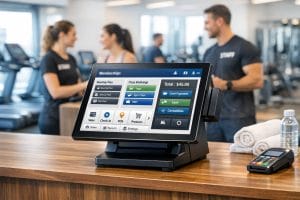
Epos Now and Lightspeed are two of the biggest names in UK EPOS, but they target different markets. Epos Now is a British-built all-in-one system designed for small to mid-sized retail and hospitality businesses. Lightspeed is a Canadian platform built for larger independents and multi-location businesses that need advanced inventory management and built-in eCommerce.
Epos Now’s Countertop 2 hardware bundle starts from £299 and its software is quote-based. Lightspeed starts at £75/month for software alone – hardware is quote-only on top. The cost models are different: Epos Now sells you hardware upfront and quotes software separately, while Lightspeed charges a published monthly fee and includes more software features as standard.
FREE QUOTE COMPARISON
Compare EPOS Quotes from Trusted Suppliers
✓ EPOS systems from £0 upfront
100% free • No obligation • Takes under 2 minutes
We verified Epos Now pricing from eposnow.com/uk and Lightspeed pricing from lightspeedhq.com/uk in October 2026. Epos Now’s software and contract terms require a quote – the Epos Now prices below are from its published bundle.
- Lightspeed publishes its software price, Epos Now does not - Lightspeed Retail starts at £75/month with hardware quoted separately, while Epos Now’s Countertop 2 bundle starts from £299 and its software is quote-based
- Lightspeed Basic costs £1,800 in software over two years for one till - hardware is quoted on top, while Epos Now’s two-year total cannot be worked out without a written quote
- Lightspeed wins on inventory and eCommerce - Built-in online store, multi-variant stock and supplier purchase orders are standard, ideal for retailers with 3+ locations
- Epos Now’s contract length is not published - The term is set in your quote, versus Lightspeed’s annual or monthly billing, so get it in writing before signing
- Epos Now scores higher on Trustpilot - 4.3/5 from 26,000+ reviews versus Lightspeed’s 3.7/5 from 2,516, though Epos Now reviews are more polarised
Quick Comparison
Epos Now’s hardware bundle starts from £299, with software quoted separately. Lightspeed charges £75-189/month for retail software with hardware quoted separately. Both serve retail and hospitality, but at different scales and price points.
| Epos Now | Lightspeed | |
|---|---|---|
| Hardware cost | From £299 (Countertop 2 bundle) | Quote only (iPad-based) |
| Software (retail) | Quote only | £75/month (Basic) |
| Transaction fees | From 0.8% (rate match) | Custom quote |
| Contract length | Not published (set in quote) | Annual or monthly |
| eCommerce | Via integration | Built-in (all plans) |
| Advanced inventory | Basic + app integrations | Multi-variant, matrices, suppliers |
| Multi-location | Yes | Yes (Plus plan, centralised) |
| App marketplace | 100+ integrations | Integrations available |
| Kitchen display (KDS) | Yes | Yes |
| Trustpilot | 4.3/5 (26,000+ reviews) | 3.7/5 (2,516 reviews) |
Total Cost of Ownership
The headline prices are misleading without context. Epos Now’s hardware is a published £299, but its software price and contract length are set in your quote. Lightspeed publishes its monthly price, gives you flexibility and includes features that Epos Now charges as add-ons.
| Cost over 2 years (1 till) | Epos Now | Lightspeed |
|---|---|---|
| Hardware | £299 (Countertop 2 bundle) | Quote only (iPad + peripherals) |
| Software (24 months) | Quote only | £1,800 (£75/month, Basic) |
| Total (basic) | Not calculable without a quote | £1,800 plus hardware |
| With 24/7 support | Quote only | £1,800 plus hardware (support included) |
Over two years, Lightspeed Retail Basic costs £1,800 in software for a single till, with hardware quoted on top. Epos Now’s software price isn’t published, so we can’t put a total on its side until you have a quote – ask for it before assuming a saving. Lightspeed includes eCommerce, advanced inventory, and reporting features that Epos Now either charges extra for or doesn’t offer.
The contract is the open question with Epos Now. Its length isn’t published and is set in your quote, and users frequently mention difficulty cancelling. Lightspeed offers annual plans with monthly billing options – more flexible if your business circumstances change.
Get Epos Now’s software price and contract length in writing before comparing the headline costs.
Inventory and eCommerce
Lightspeed’s inventory management is genuinely in a different league. Multi-variant tracking (size, colour, material), supplier management with purchase orders, stock transfers between locations, and automated reorder points – all built in. For retailers with complex product catalogues (fashion, electronics, homeware), Lightspeed’s inventory alone justifies its higher price.
Epos Now’s inventory is functional for basic stock tracking – product counts, low-stock alerts, and barcode scanning. For a coffee shop tracking 50 items or a small retailer with a few hundred SKUs, it’s sufficient. But once you’re managing thousands of products across variants and suppliers, Epos Now’s limitations become apparent.
eCommerce integration is where Lightspeed pulls further ahead. Every Lightspeed retail plan includes a built-in online store that syncs with your in-store inventory in real time. Sell a product online, and your shop floor stock updates instantly. Epos Now can connect to eCommerce platforms via integrations, but it’s not the same seamless experience.
For hospitality businesses, the inventory gap narrows. Both platforms handle menu management, table layouts, and kitchen display systems. Epos Now’s restaurant features are well-regarded, and its QR ordering system (Order & Pay) is a useful addition for pubs and casual dining.
Support and Reliability
Epos Now’s Trustpilot score (4.3/5 from 26,000+ reviews) is impressive by volume, but the reviews are polarised. Positive reviews praise the hardware quality and ease of setup. Negative reviews consistently mention aggressive sales tactics, difficulty cancelling contracts, and unexpected add-on charges.
Lightspeed’s Trustpilot score (3.7/5 from 2,516 reviews) is lower, on a base a tenth the size. Support is included on all plans with 24/7 availability. Lightspeed’s support team is generally rated well for technical competence, though response times vary.
Epos Now offers standard support on its base plan and 24/7 premium support at a higher price, quoted individually. If you’re running a busy restaurant or shop that operates evenings and weekends, the premium support tier is effectively mandatory – so ask for its price when you get a quote.
Epos Now vs Lightspeed: Strengths Compared
Epos Now wins on simplicity. Lightspeed wins on features, flexibility, and scalability.
Use our free EPOS System Cost Calculator to get a personalised cost estimate based on your specific requirements.
Our Verdict
Epos Now is the all-in-one choice for small, single-location businesses that want one vendor. Lightspeed is the better investment for growing retailers that need advanced inventory, eCommerce, and multi-location management.
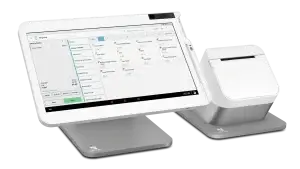
Choose Epos Now if you’re a small shop, cafe, or restaurant that needs an affordable, all-in-one system and doesn’t need advanced inventory or online selling. The Countertop 2 bundle from £299 gives you a till, printer and card terminal in one package. Just read the quote carefully – the software price, contract length and add-on costs are not published, so get them in writing.
Choose Lightspeed if you’re a growing retailer with complex inventory (multiple variants, suppliers, locations) or you need integrated eCommerce. The monthly cost (from £75) buys you genuinely superior stock management, built-in online selling, and the flexibility of shorter commitments. For multi-location businesses, Lightspeed’s centralised inventory and reporting make it the stronger platform.
For hospitality specifically, the gap narrows. Both handle restaurant operations well, and Epos Now’s all-in-one bundle makes it attractive for pubs, cafes, and casual dining venues where advanced inventory isn’t critical.
Looking at other options? Best EPOS systems compares 10+ UK providers. Square vs Clover covers the two most popular self-serve options, and our EPOS system costs guide breaks down typical pricing across the market.