A full 3-bed semi in white uPVC costs about £3,750 on MyJobQuote’s national figures, and individual uPVC casement windows cost £350–£550 each supplied and fitted. We found no verified Bristol-specific price, so get local quotes to see how they compare.
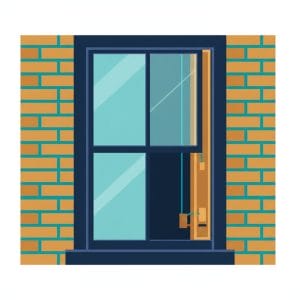
Clifton, Clifton Wood, Kingsdown, and Hotwells include Georgian and Regency properties with original sash windows that require careful handling. On MyJobQuote’s national figures, timber sash replacements cost £1,500–£2,000 per window, while uPVC sash options run from £700–£1,100. In Clifton’s conservation area, uPVC is generally not acceptable for street-facing windows.
In this guide, we cover Bristol-specific double glazing costs, available grants (including the neighbourhood-based Warm Homes: Local Grant), Clifton and Bristol’s other conservation areas in detail – including what you can and cannot change – and how to find a reputable local installer.
FREE QUOTE COMPARISON
Compare Double Glazing Quotes from Trusted Suppliers
✓ Save up to £400 per window
100% free • No obligation • Takes under 2 minutes
- A white uPVC set for a 3-bed semi costs about £3,750 - MyJobQuote’s national figure; compliant timber or aluminium frames for Georgian conservation areas like Clifton cost more, so get 3 quotes
- The Warm Homes: Local Grant is neighbourhood-based in Bristol - the council’s Warm Homes Retrofit programme targets Henbury and Brentry, Avonmouth and Lawrence Weston (BS10 and BS11), up to 1,000 properties
- VAT is charged at 20% - double glazing is standard-rated and does not qualify for the 0% energy-saving-materials relief (GOV.UK Notice 708/6); check that every quote states whether VAT is included
- Bristol has 33 conservation areas, and Clifton is among the strictest - uPVC is generally unacceptable there, with heritage-style timber or aluminium windows that cost more than standard uPVC
- Get 3 quotes from local Bristol installers before comparing national chains - compare price, lead time and guarantee terms like for like
Double Glazing Costs in Bristol
On MyJobQuote’s national figures, double glazing a 3-bed semi costs about £3,750 in white uPVC, £4,700–£5,600 in aluminium and £7,500–£12,000 in softwood timber. We found no verified Bristol-specific prices, and conservation-compliant timber sash windows for Georgian properties are quoted individually. For a full national breakdown, see our double glazing costs guide.
Bristol’s Georgian core, and the conservation area requirements that come with it, creates strong demand for timber and slim-profile aluminium frames. A specialist timber joiner working in Clifton may cost more per window than a national uPVC installer, but for a listed property there is often no alternative.
| Window Type | National Price (Per Window) | Full House (3-Bed) |
|---|---|---|
| uPVC Casement | £350–£550 | £3,750 |
| uPVC Sash | £700–£1,100 | Get quotes |
| Aluminium | £600–£850 | £4,700–£5,600 |
| Timber Sash (conservation-grade) | £1,500–£2,000 | Get quotes |
Prices are MyJobQuote national supply-and-fit figures; check that disposal of old windows and FENSA certification are itemised in your quote. Quotes should include VAT at the standard 20% rate. Double glazing is standard-rated and does not qualify for the 0% energy-saving-materials relief (GOV.UK Notice 708/6). MyJobQuote counts 8-10 windows for a 3-bed semi; a larger Georgian townhouse in Clifton may have more, increasing costs.
Choosing Windows for Your Property
Window needs differ with the age of the property. Georgian and Regency terraces, where original timber sash windows are both legally protected and architecturally significant, need conservation-grade timber. Victorian and Edwardian terraces often suit good-quality uPVC sash or casement windows where the conservation area allows, while later suburban housing suits standard energy-efficient uPVC casement.
For Bristol homeowners in Georgian areas, the single most important step before ordering any windows is checking whether your property is listed (requiring listed building consent) and whether you are in a conservation area with Article 4 Directions (removing permitted development rights). Getting this wrong can result in enforcement action, removal orders, and significant cost.
FREE QUOTE COMPARISON
Compare Double Glazing Quotes from Trusted Suppliers
✓ Save up to £400 per window
100% free • No obligation • Takes under 2 minutes
Double Glazing Grants in Bristol
The main double glazing grant for Bristol residents is the Warm Homes: Local Grant, providing funding, within cost caps averaging £16,600 per home, for energy efficiency measures, with replacement windows eligible but recommended by councils only in rare cases. You need a household income of £36,000 or below and an EPC rating of D–G. Note that double glazing itself does not qualify for the 0% energy-saving-materials VAT relief – it is standard-rated at 20% (GOV.UK Notice 708/6). For all UK schemes, see our double glazing grants guide.
| Scheme | Amount | Covers DG? | Eligibility | Status |
|---|---|---|---|---|
| Warm Homes: Local Grant | Cost cap averaging £16,600 per home | Eligible, rarely recommended | Income ≤£36,000, EPC D–G, target areas | Active (to March 2028) |
| ECO4 | Not confirmed | Not confirmed | Benefits + EPC D or below | Extended to December 2026 |
Warm Homes: Local Grant
The Warm Homes: Local Grant is the grant scheme that lists windows as an eligible measure for Bristol homeowners. It provides funding, within cost caps averaging £16,600 per home, for energy efficiency improvements – and double glazing is on the national eligible-measures list, though councils recommend it only in rare cases. In Bristol the council’s Warm Homes Retrofit programme (April 2025 to March 2028, with Bristol City Leap) targets Henbury and Brentry, Avonmouth and Lawrence Weston (BS10 and BS11), up to 1,000 properties, and describes its works as including double glazing. Residents outside those areas should ask the council how they would be routed.
To qualify, you need a household income of £36,000 or below (or be receiving a means-tested benefit), an EPC rating of D, E, F, or G, and live in a privately owned home in England (social housing is excluded, and landlords must contribute for rented homes). Apply at gov.uk/apply-warm-homes-local-grant, but note that Bristol delivers the scheme by neighbourhood, so there may be no open application outside the target areas. Note that grant-funded window replacements in conservation areas may still need to meet planning requirements – discuss this with the scheme administrator before proceeding.
VAT on Double Glazing (Standard-Rated 20%)
Double glazing is standard-rated at 20% VAT. It does not qualify for the 0% energy-saving-materials relief – GOV.UK VAT Notice 708/6 (section 2.23) expressly lists secondary and double glazing, and low-emissivity glass, as standard-rated. The 0% rate covers insulation, solar panels and heat pumps, not windows or glazing. Check that each quote states whether VAT is included; an installer charging VAT on a double glazing job is applying the rate correctly.
Conservation Areas in Bristol
Bristol has 33 conservation areas, with Clifton among the most restrictive – uPVC is generally unacceptable for visible windows in Clifton, and a Clifton Village Article 4 Direction covers Royal York Crescent, Cornwallis Crescent, Caledonia Place and West Mall. Georgian areas including Clifton Wood, Kingsdown, and Hotwells have similar constraints. Most Victorian areas (Redland, Bishopston, Bedminster) allow like-for-like uPVC replacements if they match the original style.
Replacement windows are normally permitted development in England, meaning you don’t need planning permission if the new windows match the existing ones in appearance. Bristol’s conservation areas – particularly in the Georgian parts of the city – significantly complicate this, and getting it wrong is expensive.
Key Bristol conservation areas for double glazing:
- Clifton – Bristol’s most significant conservation area, covering the Georgian and Regency terraces, crescents, and villas between the Downs and the Suspension Bridge. The Clifton Village Article 4 Direction removes permitted development rights on Royal York Crescent, Cornwallis Crescent, Caledonia Place and West Mall; the rest of Clifton follows normal conservation area rules. uPVC is generally unacceptable on visible elevations in Clifton – timber or high-quality slim-profile aluminium windows that closely replicate original Georgian sash designs are typically expected. Planning permission is required for external alterations on the four Article 4 streets above; elsewhere in Clifton normal conservation area rules apply, so confirm with the council. Several hundred listed Grade I and Grade II* buildings sit within the area.
- Clifton Wood – The painted terraces descending the hill below Clifton. Same conservation area designation and same restrictions. Original sash proportions must be respected.
- Kingsdown – Georgian terraces above the city centre. Similar requirements to Clifton. Check with Bristol City Council before ordering.
- Hotwells and Harbourside – Georgian and early Victorian. Properties visible from the Floating Harbour require care. Rear and non-public elevations generally more flexible.
- Redland and Cotham – Victorian and Edwardian. Standard conservation area rules apply. Bay windows and sash proportions are character-defining. Like-for-like uPVC generally acceptable if it accurately replicates the original style, including any glazing bar pattern.
- Bishopston and Ashley Down – Victorian terraces. Standard rules. Most uPVC replacements are acceptable as long as they replicate original proportions.
- Bedminster – Victorian working-class terraces south of the river. Standard conservation area rules, more lenient enforcement history than north Bristol.
For any Clifton or Georgian-area property, obtain pre-application planning advice from Bristol City Council before ordering windows – it’s free and avoids the risk of enforcement action. Contact Bristol City Council Development Management at bristol.gov.uk/planning. For listed buildings, separate listed building consent is required regardless of conservation area status.
FREE QUOTE COMPARISON
Compare Double Glazing Quotes from Trusted Suppliers
✓ Save up to £400 per window
100% free • No obligation • Takes under 2 minutes
Choosing a Double Glazing Company in Bristol
Before choosing an installer, confirm they are FENSA or CERTASS registered at fensa.org.uk, and for conservation work in Clifton ask for documented experience with listed buildings and Article 4 areas. Check recent reviews on more than one site, and for a national comparison see our best window companies guide.
How to Get the Best Price in Bristol
Get at least three quotes, be specific about conservation area requirements upfront, and ask about whole-house discounts. For Georgian properties in Clifton, a specialist timber joiner is usually the right choice – get quotes from companies with documented conservation area experience.
- Get three quotes minimum – Bristol’s range of installer types (national uPVC firms to specialist timber joiners) means quotes can differ widely for similar work. Never accept the first quote.
- Clarify conservation area status upfront – tell every installer your postcode, street, and whether the property is listed before they quote. A quote that doesn’t account for conservation requirements isn’t a valid quote.
- For Clifton: use specialist timber joiners – a standard uPVC installer is unlikely to meet the design expectations. Joiners such as M&P Joinery in Montpelier specialise in conservation-grade timber windows. Their price will be higher, but timber or slim aluminium is typically the expected route.
- Ask about whole-house discounts – replacing all windows at once may earn a discount compared with doing them in stages, so ask. Particularly valuable for large Georgian townhouses where individual window costs are high.
- Time your purchase – Winter can be a quieter period for installers, so it is worth asking whether lead times are shorter or a discount is available.
- Verify FENSA registration at fensa.org.uk/find-an-installer before signing any contract.
A white uPVC set for a standard 3-bed semi costs about £3,750 on MyJobQuote’s national figures, and timber sash for Georgian conservation areas is quoted individually. Clifton is one of Bristol’s strictest conservation areas - uPVC is generally unacceptable for visible windows there. Check conservation area status and grant eligibility first, get three quotes from FENSA-registered installers, and use a specialist timber joiner for any Clifton or Georgian-area property.